

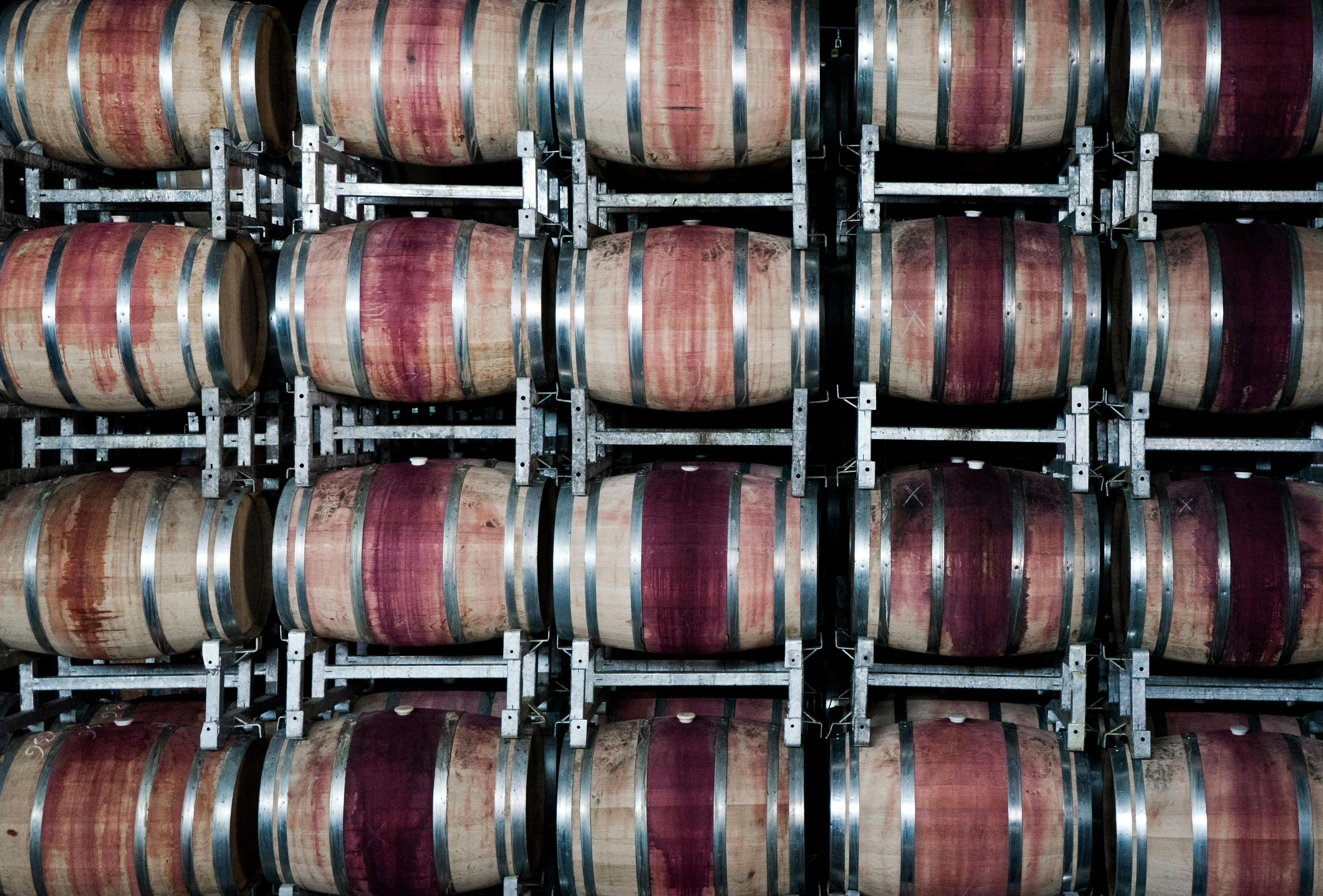
Tequila and rum both have long histories with oak. In both cases, the barrel isn’t just a container. It’s a collaborator that shapes color, aroma, texture and finish. And because both spirits can taste dramatically different depending on the wood they rest in, barrel choice is one of the most important decisions a producer makes.
Tequila and the role of oak
Blanco tequila is generally unaged or rested only briefly, which keeps the bright, peppery character of agave front and center. Aged styles are different. Reposado spends a few months to a year in oak, while añejo is aged longer, and extra añejo longer still. As time passes, the spirit picks up color, softens and develops notes of vanilla, caramel and spice, while ideally keeping that agave identity intact.
The barrel matters more than many people realize. Used bourbon barrels are a very popular choice because they add gentle sweetness and structure without overwhelming the spirit. A heavily charred new barrel can easily overpower agave, which is more delicate than grain-based spirits. If you’re building a tequila range, our tequila barrel page is a good place to explore your options.
Rum loves a used barrel
Rum producers have long matured their spirit in ex-bourbon casks, and for good reason. The oak rounds off rough edges, adds warmth and brings out the natural sweetness of the molasses or cane juice. Used barrels deliver this without the sharp tannin and intensity of fresh wood.
Because rum styles are so varied, from light and crisp to dark and rich, there’s room to experiment. A lighter rum might spend only a short time in a mellow, well-used cask. A fuller-bodied rum could handle a more active barrel for longer. Our selection of used rum barrels suits a wide range of styles.
Why a barrel’s past life matters (new)
Every used barrel carries a history, and that history shapes what it does next. A barrel that held bourbon leaves behind traces of vanilla, caramel and toasted grain. One that held wine may add fruit and a little tannin. Even the length of time a barrel held its first spirit changes how much character it has left to give.
For tequila and rum, this is a real advantage. Producers can pick a barrel whose leftover flavor complements the spirit instead of fighting it. A bourbon barrel’s soft sweetness suits agave well, while the same barrel can bring out the toffee and baking-spice side of a molasses-based rum.
It also explains why two barrels that look identical can behave differently. Age, previous contents and how long a barrel has been empty all play a part. That’s why it’s worth asking your supplier what each barrel previously held and how it has been stored.
Char and toast: the hidden dial (new)
Besides size and history, the inside of the barrel has been treated with heat, and that matters more than most people expect. Toasting gently breaks down compounds in the wood and tends to bring out sweeter, softer flavors. Charring creates a layer that can filter the spirit and add smoky, caramelized notes.
A heavy char on a delicate agave spirit can mask the very thing you’re trying to showcase. A lighter touch, or a barrel that’s already given up its most aggressive flavors in a first fill, is often kinder to tequila. Rum has more room to play. Richer, darker styles can handle a more active barrel, while lighter ones may prefer something gentler.
If you’re not sure what you want, start with a milder barrel. It’s easier to add intensity later through finishing than to take it away.
How climate changes the equation
Where you age your spirit makes a big difference. In warmer climates, temperature swings are larger and maturation tends to happen faster, so producers need to watch their barrels closely to avoid too much oak influence. In cooler places, aging is slower and more gradual, which can mean longer timelines but a gentler result.
This matters when you’re choosing a barrel. A very active barrel in a hot warehouse may over-extract quickly. A more neutral barrel in the same space might give you better balance.
Size and surface area
Barrel size affects how fast a spirit matures. Smaller barrels have more wood contact relative to their volume, so flavor develops sooner. Larger barrels age more slowly and usually more gently. If you want to move quickly or test ideas, smaller sizes can be useful. If you’re building a premium aged product, larger barrels and patience may serve you better.
Managing barrels while they age (new)
Buying the right barrel is only half the job. How you look after it during aging affects the final result just as much.
Check for leaks early. A new fill can weep slightly until the wood settles, so inspect regularly in the first weeks.
Watch the environment. Big swings in temperature and humidity change how fast the spirit moves in and out of the wood.
Rotate or reposition barrels. Barrels on upper racks and lower racks can age differently, so some producers move them around to even things out.
Sample on a schedule. Draw small samples at regular intervals rather than waiting for a date on the calendar.
Keep records. Note the barrel type, fill date, proof, location and every tasting. These notes become invaluable when you want to repeat a result.
Think of it as looking after a slow-moving recipe. The more attention you pay along the way, the fewer surprises you get at the end.
Questions to ask before you buy
Before ordering, think through a few things:
What flavor do I want to add? Subtle sweetness, spice, fruit or richness?
How long will I age? Longer aging generally favors less aggressive wood.
What volume do I need? Think about your production and storage capacity.
What did the barrel hold before? Previous contents influence the flavor.
Can I run a trial first? A pilot batch teaches you plenty.
A quick style guide (new)
Use these as starting points rather than strict rules:
Reposado-style tequila: a mellow, used bourbon barrel for gentle sweetness and softness.
Añejo-style tequila: a larger, well-used barrel and patience, so the oak adds depth without taking over.
Light, crisp rum: a short rest in a very mellow cask.
Dark, rich rum: a more active barrel or a longer rest to build body and spice.
Limited-edition expressions: a short finish in a wine or fortified-wine cask for a distinctive twist.
Blending and consistency
Many tequila and rum producers blend spirit from several barrels to achieve a consistent house style. This is especially useful because no two barrels are identical, even if they look the same. Blending lets you smooth out differences, balance strong and mild barrels and hit the same flavor profile year after year.
If you plan to release a regular product, consistency in your barrel supply matters. Working with a supplier who can provide similar barrels over time makes blending far easier.
Finishing for something different
Some producers take aged tequila or rum and finish it in a second cask, such as a wine or fortified-wine barrel. This can add another layer of complexity and create a limited-edition expression. As with whiskey, short trials and frequent tasting are essential.
Common mistakes to avoid (new)
Even experienced producers slip up. Watch out for these:
Choosing a barrel that’s too aggressive. Strong new oak can flatten agave and mask rum’s natural sweetness.
Leaving spirit in too long. More time isn’t always better, and over-oaked spirit is hard to rescue.
Skipping trials. Filling a full order without testing is an expensive way to learn.
Ignoring storage. Barrels that dry out before filling often leak and need extra prep.
Poor record keeping. Without notes, you can’t repeat a great batch or learn from a weak one.
Preparing barrels before they’re filled (new)
A barrel that looks ready on the outside may still need attention. Dry wood can leak until it swells, and old residue can affect flavor. Store barrels somewhere cool and out of direct sun, and inspect each one before filling. If a barrel has been sitting empty for a while, it may need rinsing, swelling and a leak check. A little preparation protects your spirit and your investment.
Keep tasting, keep notes
Both tequila and rum reward patience and attention. Sample regularly, record what you find and don’t be afraid to pull a barrel early if it’s ready. The goal isn’t to age as long as possible. It’s to bottle the spirit at its best.
With thoughtful barrel choice, careful tasting and a clear idea of the style you want, oak becomes less of a variable and more of a tool you can use with confidence.